
In this article
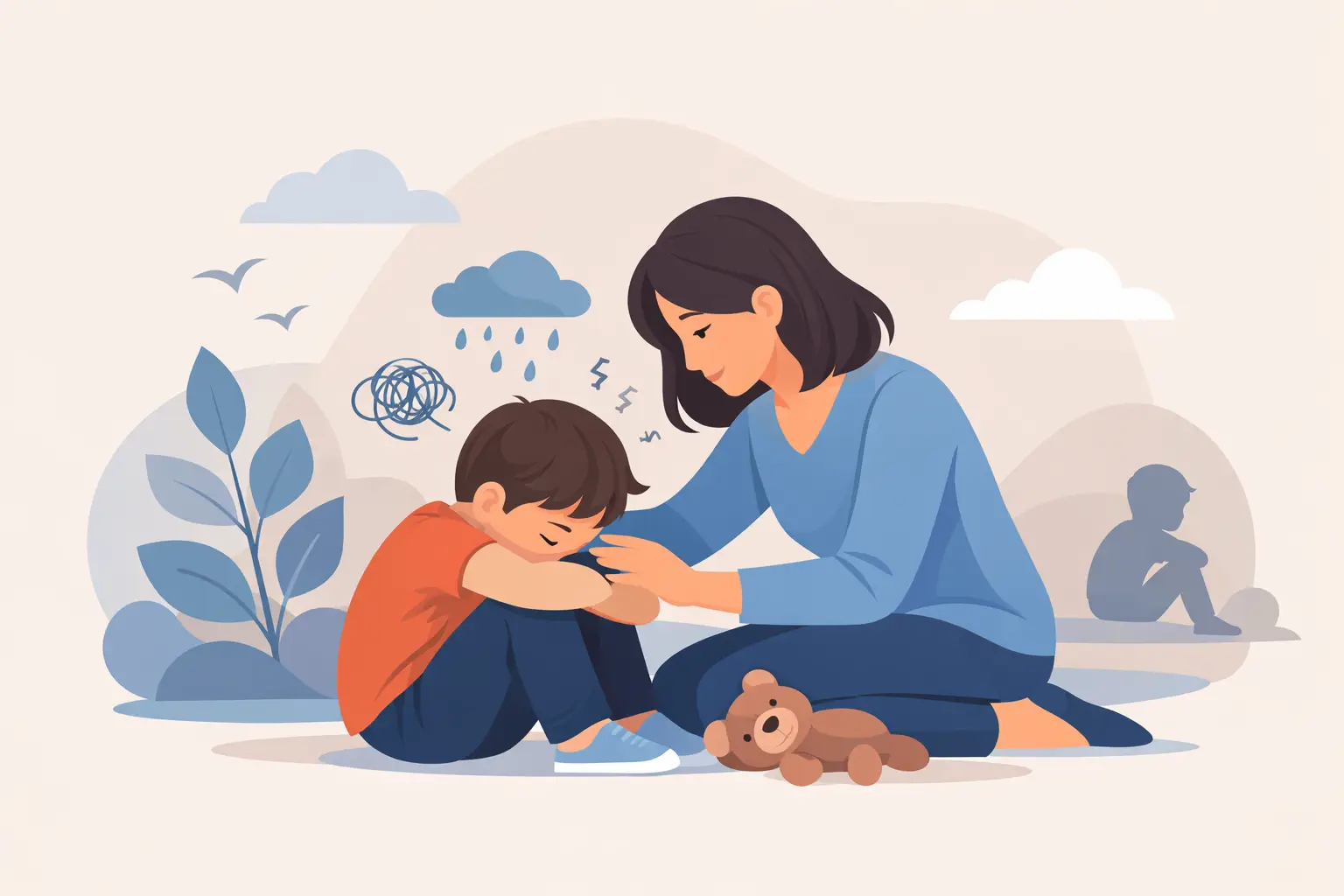
The Sunday-night stomach ache. The tears at the front door. The child who was once fine at school but now cannot get out of bed on a Tuesday. When attendance becomes a daily battle, parents can feel frightened, judged and completely stuck. School refusal support starts by treating this as a signal that something is wrong, not proof that your child is lazy, manipulative or that you have somehow failed.
Children may not be able to explain what is making school feel impossible. But the distress is real. Your job is to stay calm enough to investigate, protect the relationship, and bring the school into the plan early.
What school refusal can look like
School refusal is not a formal diagnosis. It is a term parents often use when a child has intense distress about attending school, struggles to get there, or cannot stay once they arrive. It can affect children who care deeply about learning and who desperately want to be able to go.
It may look loud: panic, shouting, crying, sickness or a child physically refusing to leave the house. It can also look quiet: repeated headaches, long toilet trips, missed buses, requests to come home at break, or a child who seems withdrawn and exhausted every morning.
The reason matters. Anxiety is common, but it is not the only explanation. Bullying, friendship fallouts, learning difficulties, unmet special educational needs, sensory overload, bereavement, family change, pressure around exams, illness, poor sleep and depression can all play a part. For some children, several small stresses build up until school feels unsafe.
This is different from simply not fancying a lesson or testing a boundary, although those things can happen too. If distress is repeated, escalating, or affecting your child’s daily functioning, take it seriously rather than waiting for them to ‘snap out of it’.
School refusal support begins with listening
Avoid turning the morning crisis into an interrogation. A child in panic is not able to give a neat, logical explanation, and pushing for one can make them shut down. Choose a quieter moment instead, perhaps while walking, driving or doing something side by side.
Try: “I can see school is feeling really hard right now. You are not in trouble. I want to understand what part feels worst so we can get some help.”
Then use gentle, specific questions. Is it the journey, the gates, a particular classroom, lunch, changing rooms, noisy assemblies, a person, or the fear of falling behind? Ask what happens in their body when they think about school, and when the worry first started. Listen for patterns rather than trying to solve every point immediately.
If they say “I don’t know”, believe that too. You can say: “That’s okay. We do not have to work it out all at once. I’m going to keep checking in, and we’ll make a plan.”
Be cautious about promising they never have to return. That may bring instant relief but can make the next attempt feel even bigger. A better message is: “We will not pretend this is easy, and we will not leave you to handle it alone.”
Contact school early, and be specific
Do not wait until attendance has dropped sharply or you have run out of excuses for absence. Email or call the class teacher, form tutor, pastoral lead, attendance lead or SENCO. Keep the message factual and ask for a meeting.
You might say: “My child is experiencing significant distress about attending school. We are trying to understand the cause and need a supportive, practical plan rather than pressure alone. Can we meet this week to agree the next steps?”
Share what you know, including changes at home, health concerns, friendship worries and anything your child has disclosed. Ask what staff have noticed: changes in mood, incidents at break, missed work, behaviour reports, seating issues or particular times of day that are difficult.
A useful plan is written down, reviewed regularly and small enough to be achievable. Depending on the child, this might mean meeting a trusted adult at the gate, arriving after the busy rush, using a quiet space at lunch, having a named person to check in with, or starting with one lesson and building up. A full timetable is the aim for many families, but forcing a leap that overwhelms a child can backfire.
Ask who will communicate with you, what happens if your child cannot enter the building, and how the plan will be reviewed. You should not be left trying to negotiate a new arrangement at the gate every morning.
Make home a base, not a reward for avoidance
When a child stays home, they need care, rest and reassurance. They do not need punishment. But it also helps if home does not become a more exciting alternative to school, especially where anxiety is keeping the pattern going.
Keep the day predictable. Get dressed, eat regular meals, limit endless scrolling and gaming during school hours, and include a manageable piece of schoolwork only if it does not trigger more distress. This is not about making a child miserable at home. It is about protecting routine and making the return feel possible.
The morning itself needs fewer words, not more. Prepare clothes, bags and breakfast the night before. Offer two realistic choices: “Do you want toast or yoghurt?” and “Would you rather I walk you to the gate or wait in the car park?” Avoid debates about whether school matters while everyone is already late.
If panic rises, name it plainly: “Your alarm system is going off. Let’s slow your breathing, put both feet on the floor, and focus on the next step only.” The next step may be socks, the car, or walking to the gate. Small wins count.
When to seek extra help
Speak to your GP if anxiety is severe, your child has frequent physical symptoms, sleep or eating has changed, low mood is lasting, or attendance problems are not improving with school support. A GP can check for physical causes and discuss appropriate mental health support.
Ask the school whether pastoral services, an educational psychologist, counselling, or local authority attendance and inclusion support may be available. If your child has identified or suspected special educational needs or disabilities, request a conversation about whether current support is meeting their needs. A child who is overwhelmed by an environment is not helped by being told to try harder in the same conditions.
Take any mention of self-harm, hopelessness, not wanting to be alive, abuse, or feeling unsafe seriously. Stay with your child, seek urgent professional help, and tell the relevant safeguarding lead at school. Their safety comes before attendance targets.
Keep the relationship bigger than the school day
School refusal can swallow family life. Siblings get fed up, work becomes difficult, and every evening can feel like a countdown to another fight. Make room for ordinary connection that is not about attendance: a cup of tea, a programme together, kicking a ball about, a chat before bed.
You can hold a firm line that education matters while showing your child they do not have to earn your kindness by managing school perfectly. The most helpful message is often the simplest: “This is hard, and we are going to keep working on it together.”