
Anxiety in children rarely shows up as a neat, obvious problem. It looks like the tummy ache before school, the meltdown over the wrong socks, the child who clings at drop-off, or the one who seems angry when they are actually overwhelmed. If you are wondering how to support anxious child behaviour at home, the first step is to stop looking for “bad behaviour” and start looking for stress signals.
That shift matters, because anxious children are not trying to be difficult. They are trying to feel safe. And when you respond as if the fear is real to them, even when the threat looks small to you, things usually start to move in a better direction.
What anxiety can look like in real life
Not every anxious child looks worried. Some cry, some refuse, some argue, and some go very quiet. Younger children often show anxiety through sleep problems, separation struggles, tantrums, or physical complaints such as headaches and tummy pain. Older children might avoid school, overthink friendships, seek constant reassurance, or become very rigid about routines.
This is where parents can get stuck. A child says they are sick every Sunday night, or spends 40 minutes panicking about a homework task, and it is hard to tell whether you are seeing anxiety, defiance, perfectionism, or simple tiredness. Often, it is a mix.
The useful question is not “What label fits this?” but “What is my child’s nervous system telling me right now?” That keeps you focused on support rather than a power struggle.
How to support an anxious child without feeding the anxiety
This is the balancing act. Children need comfort, but they also need help facing ordinary life. If every fear leads to escape, anxiety grows stronger. If every fear is dismissed, children feel alone in it.
The goal is to be warm and steady while holding the line on what your child can do.
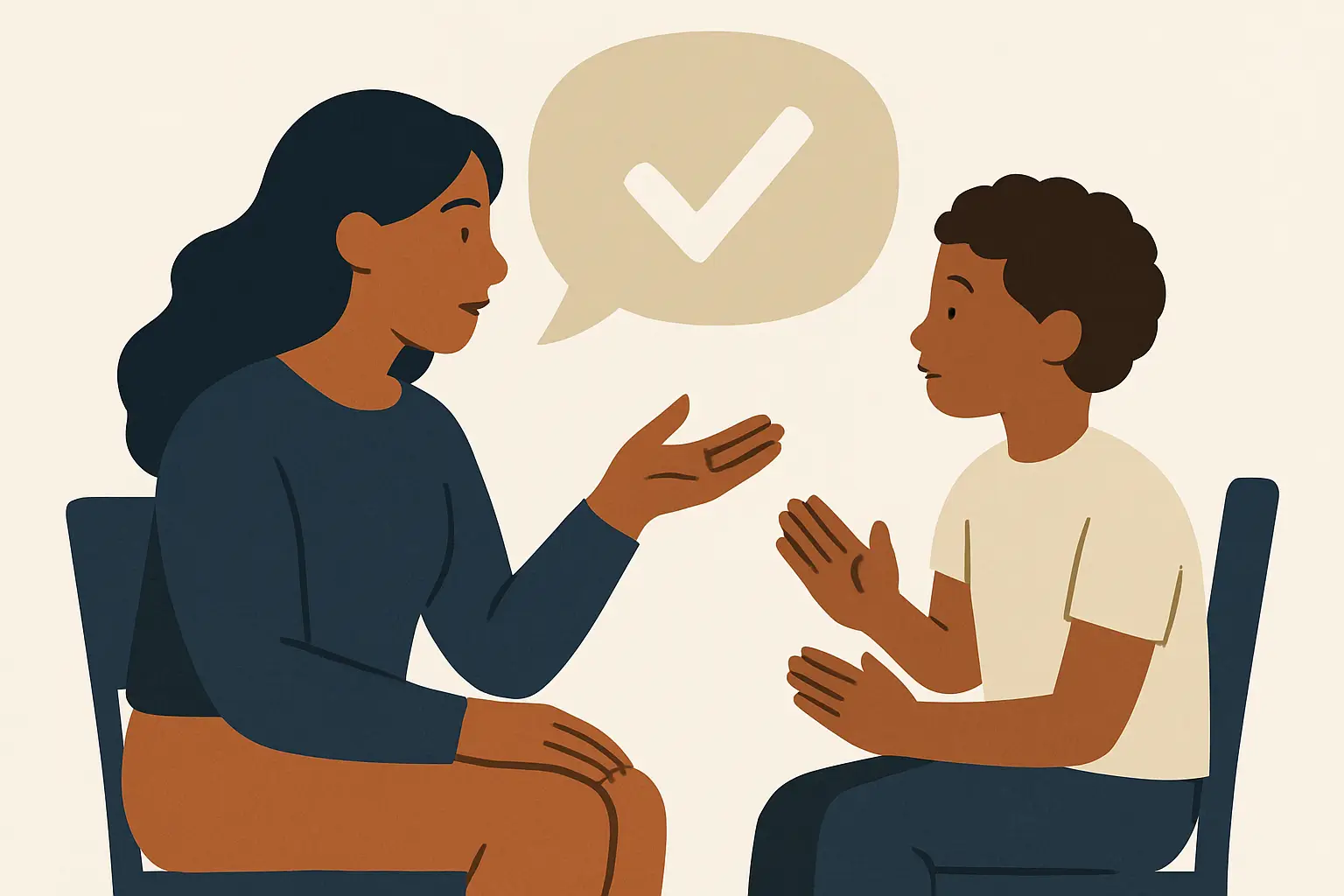
You might say: “I can see school feels hard this morning. I’m staying calm, and I’m helping you get there.” Or: “You don’t have to feel brave before you try. We can do nervous and still do it.”
That kind of language does two things. It validates the feeling without letting the feeling make every decision.
Start with regulation, not reasoning
When a child is highly anxious, logic is not very useful at first. A dysregulated child cannot easily absorb a lecture about why there is nothing to worry about. Start with calming the body.
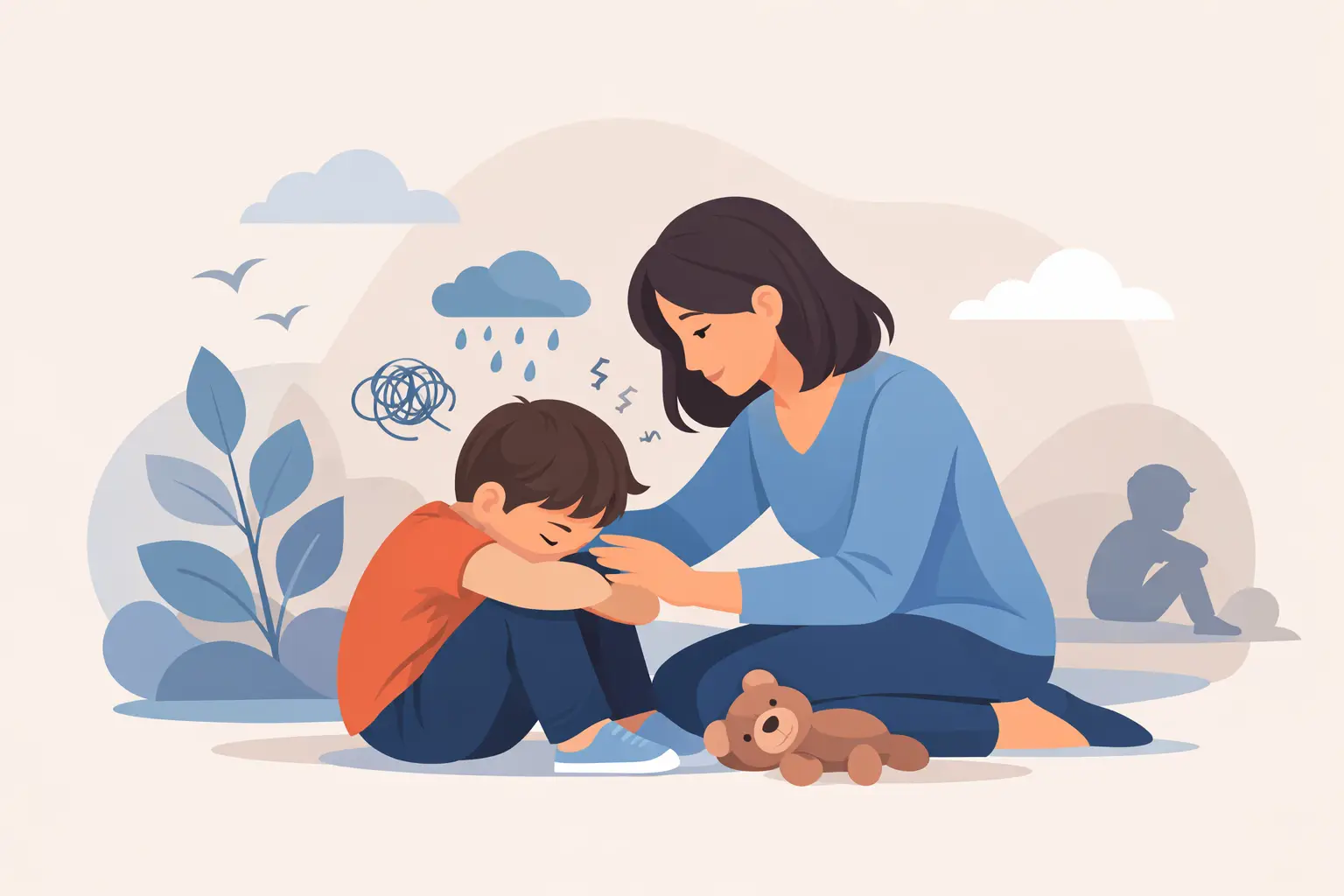
Lower your voice. Slow your pace. Keep instructions short. Offer something grounding such as a drink of water, a cuddle if they want one, a hand to squeeze, or a simple breathing exercise. For some children, movement works better than sitting still – a walk to the letterbox, jumping on the trampoline, or carrying something heavy can help bring their body down a notch.
Once they are calmer, then talk.
Name the feeling clearly
Children cope better when their experience has a name. You are not putting ideas in their head by saying the word anxiety. You are giving them a map.
Try: “It sounds like your brain is telling you this is not safe, even though we know you are safe.” Or: “This feels like worry getting very loud.”
That separates the child from the anxiety. They are not the problem. The worry is the problem.
What to say when your child is anxious
Parents often swing between reassurance and frustration because both are instinctive. “You’ll be fine” is usually too vague to help, and “We’ve been through this already” tends to make shame worse.
More useful scripts are calm, brief, and believable.
Try phrases like:
- “I believe you. This feels big right now.”
- “Your worry is loud, but you can handle this.”
- “Let’s do the first small step together.”
- “You do not need to get rid of the feeling before you carry on.”
- “I’m not going to argue with the worry. I’m going to help you through it.”
The wording matters less than the tone. Children borrow your calm before they can find their own.
Build routines that make anxiety smaller
Anxious children do better when life feels predictable. That does not mean a rigid, joyless schedule. It means enough structure that their brain is not constantly scanning for surprises.
Sleep is a big one. A tired child is far more likely to spiral. Try to protect a consistent bedtime, a wind-down routine, and a screen-free period before sleep if you can manage it. Mornings also matter. If the household starts in panic mode, anxiety gets a head start.
Think about the pressure points in your child’s day. School drop-off, homework, bedtime, transitions, noisy environments, social events – these are common flashpoints. A simple visual routine, a warning before transitions, or a set plan for hard moments can make a genuine difference.
For example, if school mornings are rough, agree the night before what will happen: clothes out, bag packed, breakfast choice made, one short goodbye routine. The aim is not perfection. It is reducing decision fatigue and uncertainty.
Help your child face fears in small steps
If you want to know how to support anxious child responses long term, this is the heart of it. Anxiety shrinks when children learn, through experience, that they can cope.
That usually means gradual exposure, not force and not avoidance. A child terrified of sleeping alone may start by falling asleep with you sitting by the bed, then with you at the door, then with a check-in every few minutes. A child anxious about parties may begin with ten minutes at the event, then build from there.
The key is to break the fear into steps small enough that success is possible but real enough that it still counts as practice.
This can feel slow. It is slow. But it works better than either dragging a child into a feared situation or removing every challenge from their path.
Praise effort, not escape
Be careful what gets reinforced. If the biggest relief and attention arrive when your child avoids the scary thing, avoidance can become the pattern. Instead, notice brave effort.
Say: “You were anxious and you still walked into class.” Or: “You told me your tummy felt funny, and then you stayed for football anyway. That was strong.”
Specific praise helps children see what coping looks like.
Work with school, not around it
If anxiety is affecting school, get the adults on the same page early. You do not need a dramatic crisis to start that conversation. A class teacher, form tutor, SENCO, or pastoral lead can often help with practical adjustments.
That might mean a calm drop-off plan, a named safe adult, a quiet place for a short reset, or support with presentations and transitions. What helps one child may not help another. Some children need less spotlight, while others need clear, predictable check-ins.
Try to avoid creating arrangements that accidentally make school avoidance easier unless they are part of a clear plan. For example, unlimited texts home or frequent early pickups can sometimes keep anxiety running. It depends on the child, the severity, and what professionals are advising.
When to get extra help
Some anxiety is part of childhood. New situations, friendship wobbles, tests, sleepovers, and changes at home can all stir things up. But if anxiety is stopping your child from sleeping, attending school, eating normally, joining in, or enjoying daily life, it is time to get more support.
Look for patterns that last more than a few weeks, intensify, or spread into more areas of life. Also pay attention if your child seems hopeless, very withdrawn, unusually angry, or says things that suggest they feel trapped by their worries.
Start with your GP or another trusted health professional. If your child’s school is involved, ask what they are seeing there too. The fuller the picture, the easier it is to work out what kind of support is needed.
There is no prize for waiting until things get worse. Early help is often simpler help.
Look after the parent, too
An anxious child can make the whole household feel on edge. You may find yourself constantly anticipating the next wobble, changing plans, over-explaining, or carrying the mental load of everyone’s feelings. That is exhausting.
Your own steadiness matters here. Not perfection – steadiness. If you can pause before reacting, keep routines simple, and avoid getting pulled into hours of reassurance, you are already giving your child something useful. If you need support to stay calm and consistent, that counts too.
You do not have to out-talk anxiety. You do not have to solve every fear on the spot. Most of the time, your child needs the same message delivered over and over in slightly different ways: “I see this is hard, and I know you can do hard things.”