
In this article
- What makes the best toddler lunchbox ideas actually work?
- Start with low-fuss building blocks
- 15 best toddler lunchbox ideas to rotate through the week
- How to pack a toddler lunchbox without overthinking it
- Foods to be careful with in toddler lunchboxes
- What to do when your toddler refuses packed lunches
- Easy wins for busy parents
By 8.15am, you’ve found one shoe, wiped up spilled milk, and your toddler has rejected toast for reasons they can’t explain. This is exactly why the best toddler lunchbox ideas need to be simple, repeatable, and realistic – not picture-perfect lunches that take longer than your own breakfast. If you’re packing for nursery, daycare, a childminder or a day out, the goal is straightforward: enough food your toddler can manage, enough variety to keep things interesting, and enough flexibility for the days they suddenly decide cucumber is offensive.
What makes the best toddler lunchbox ideas actually work?
A good toddler lunchbox is less about fancy combinations and more about matching how toddlers eat. Most do better with small portions, familiar foods, and bits they can pick up easily. They also tend to eat in waves – loving something for two weeks, refusing it for three days, then asking for it again as if nothing happened.
That’s why the best toddler lunchbox ideas usually follow a simple formula: one main food, fruit or veg, something filling on the side, and a snacky extra if needed. You do not need to create a balanced masterpiece every single day. Over a week, it evens out.
It also helps to think about lunch from your toddler’s point of view. Can they open it? Is it too messy for staff to help with easily? Will it still be appealing by lunchtime? A lunchbox that comes home half-eaten is not always a sign you packed the wrong food, but practical details do matter.
Start with low-fuss building blocks
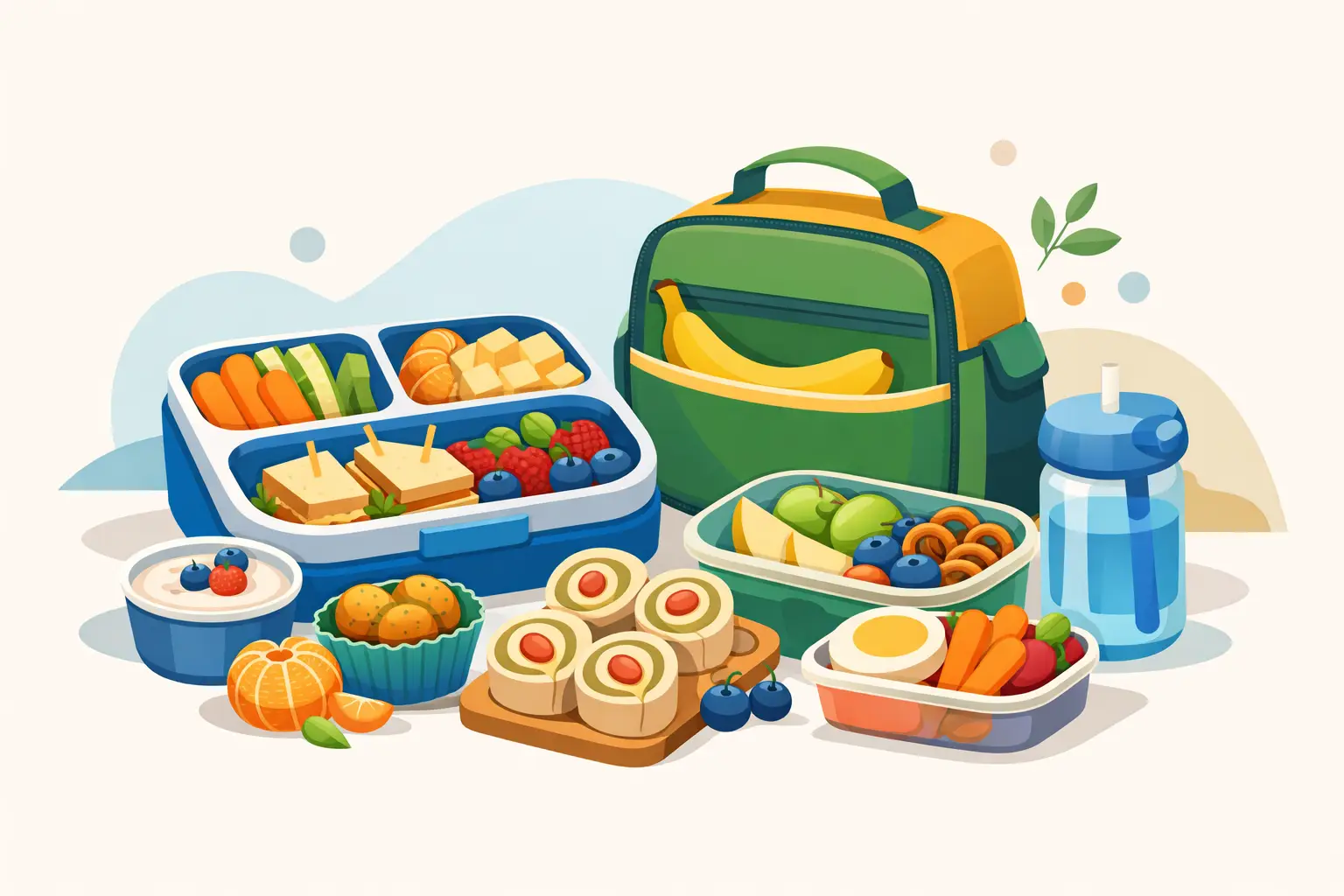
Before getting into combinations, it helps to have a shortlist of foods that travel well and survive a morning in a lunch bag. Soft sandwiches, wraps, pasta, rice, mini muffins, chopped fruit, cooked veg, cheese, yoghurt pouches, oat bars, crackers, boiled eggs and savoury scones are all useful staples.
The trick is to rotate the format more than the ingredients. Toddlers often accept the same foods more easily when they look a bit different. Chicken in a sandwich might be ignored, but tucked into a mini wrap can suddenly become acceptable. Cream cheese on bread might get left, while cream cheese in pinwheels gets eaten first.
15 best toddler lunchbox ideas to rotate through the week
1. Soft sandwich fingers with fruit
Try cream cheese and cucumber, grated cheese, egg mayo, or mashed avocado. Cut into small fingers or squares so they’re easy to hold. Add halved grapes or soft pear slices on the side.
2. Mini wraps with chicken or hummus
Use a small tortilla and keep fillings light so it stays together. Chicken and soft cheese, hummus and grated carrot, or mashed beans and cheese all work well.
3. Pasta salad, toddler-style
Keep it plain and familiar. Small pasta shapes with grated cheese, peas, sweetcorn, or tiny pieces of cooked chicken tend to go down better than heavily dressed versions.
4. Cheese, crackers and chopped veg
This is essentially a toddler picnic lunch. Add cheese cubes or slices, plain crackers, cucumber sticks and cherry tomatoes cut safely if your child manages them well.
5. Savoury mini muffins
These are handy if your toddler prefers snacky food over a set lunch. Cheese and courgette, sweetcorn and cheese, or spinach and cheese muffins freeze well and feel manageable for little hands.
6. Rice with soft veg and egg
Cold rice can work if your child likes that texture. Mix with finely chopped cooked veg and pieces of omelette or boiled egg for a filling lunch.
7. Pinwheel sandwiches
Spread a wrap with soft filling, roll it up, and slice into spirals. Cream cheese and grated carrot, ham and soft cheese, or mashed avocado and cheese are easy options.
8. Pitta pockets with dip
Small pitta pieces with hummus, cream cheese or tzatziki can be a nice change from bread. Add pepper strips or soft-cooked veg if your toddler will eat them cold.
9. Mini cheese scones with fruit
A homemade or shop-bought mini cheese scone can anchor lunch nicely. Pair it with strawberries, banana, or satsuma segments.
10. Breakfast-for-lunch box
Some toddlers are far happier eating breakfast foods. Think mini pancakes, a yoghurt pouch, berries and a little pot of nut-free spread if your setting allows it.
11. Couscous with roasted veg
This works best for toddlers who like spoonable foods. Keep flavours mild and portions small. Add feta or shredded chicken if your child enjoys mixed textures.
12. Boiled egg, toast fingers and fruit
A boiled egg packed in a secure container with buttered toast fingers can be surprisingly popular. It’s simple, filling and quick to prep.
13. Bagel thins or soft rolls
Use mini bagels or very soft bread rolls with simple fillings like cheese spread, tuna mayo or mashed chickpeas. If bagels are too chewy for your child, switch to softer bread.
14. Leftovers that still taste good cold
This is one of the smartest lunchbox habits to build. Cold pizza pinwheels, roast chicken pieces, veggie fritters, pasta bake slices or quesadilla wedges can all work if your child already knows and likes them.
15. Snack box lunch
For some toddlers, a traditional lunch just isn’t the winning format. A snack box with cheese, crackers, fruit, cucumber, mini oat bars and a boiled egg often gets eaten more reliably because it feels less overwhelming.
How to pack a toddler lunchbox without overthinking it
If mornings are chaos, pick three or four lunchbox formulas and repeat them. There is no prize for reinventing lunch five days a week. Most toddlers actually prefer predictable food, and repetition reduces waste.
A useful way to pack lunch is to think: main, produce, filler, backup. The main might be a wrap or pasta. Produce could be fruit, cucumber or peas. The filler might be cheese, yoghurt or crackers. The backup is the thing your child nearly always eats, such as banana, breadsticks, or a favourite muffin. That backup matters more than many parents realise, especially during phases of picky eating.
Portion size is another place parents get tripped up. Toddler lunchboxes often look small compared with older children’s packed lunches, and that’s fine. Large portions can put little children off before they start. If your child is in full-time care, ask staff how much they usually eat at lunch and whether they tend to finish snacks first.
Foods to be careful with in toddler lunchboxes
This is where practicality and safety come first. Whole grapes, large chunks of apple, whole nuts, popcorn and anything hard, round or difficult to chew can be choking risks for young children. Cut food appropriately for your toddler’s age and stage, and check your nursery or daycare’s food policies as many settings are nut-free.
It’s also worth being realistic about messy foods. Yoghurt in an easy pouch may be far more likely to get eaten than a pot your toddler can’t open. Juicy fruit can leak. Saucy pasta can end up on clothes rather than in mouths. None of that makes those foods bad choices, but some are better saved for home if lunchtime support is limited.
What to do when your toddler refuses packed lunches
If lunch keeps coming home untouched, don’t jump straight to blaming yourself. Start by asking what happens at mealtimes. Is your toddler distracted? Rushing to play? Struggling with packaging? Eating lots at morning snack and not feeling hungry by lunch?
Then strip lunch right back. Pack one safe main, one safe fruit, and one safe snack. Not five options, not a Pinterest spread. For a week, focus on foods your child reliably eats at home in similar form. Once intake improves, add variety slowly.
This is also one of those areas where it helps to separate nutrition from perfection. A toddler who eats bread, cheese, strawberries and a yoghurt pouch for lunch has still eaten lunch. You are aiming for steady nourishment, not a textbook tray.
Easy wins for busy parents
The best systems are boring in the best possible way. Keep lunchbox containers simple enough for your toddler to open. Prep fruit and veg the night before. Freeze mini muffins, wraps or pasta portions so you can grab and go. If one lunch works well, repeat it next week.
It can also help to keep a written list on the fridge of lunches your child actually ate. Not the lunches you hoped they’d eat – the ones that came home mostly finished. That small reality check can save a lot of money, food waste and morning frustration.
And if your toddler goes through a beige-food phase, a fruit-only phase, or a week of refusing sandwiches they previously loved, you haven’t failed. Toddler eating is often inconsistent because toddlers are inconsistent. Your job is to keep offering sensible options, hold the routine steady, and make lunch manageable enough that it doesn’t become one more daily battle.
A packed lunch doesn’t need to look impressive to do its job. If it gets some food into your child, fits your morning, and doesn’t add to your mental load, that’s a very good lunchbox.